Case study video
why it really works and how to do it properly
FILMING
In corporate video production, there is one format that consistently outperforms most traditional promotional videos. Not because it is the most visually impressive — but because it shows something companies often lack in their communication today: proof.
A real customer, a real problem, a real solution, and a result the viewer can personally relate to.
A case study video is the story of a specific collaboration. A company presents a real example from practice, such as the implementation of its solution for a customer. First, the viewer gets to know the customer — who they are, the environment they operate in, and the problem they were facing. Then comes the solution itself, its results, and the overall experience of the collaboration.
The video does not necessarily feature only the customer. Often, a representative of the client company also appears, describing the implementation process or the overall collaboration. On the customer’s side, there may be a decision-maker explaining why they chose the solution and what benefits it brought to the company, but equally important is often the person who works with the product or service every day. Their practical experience is frequently what feels the most authentic.
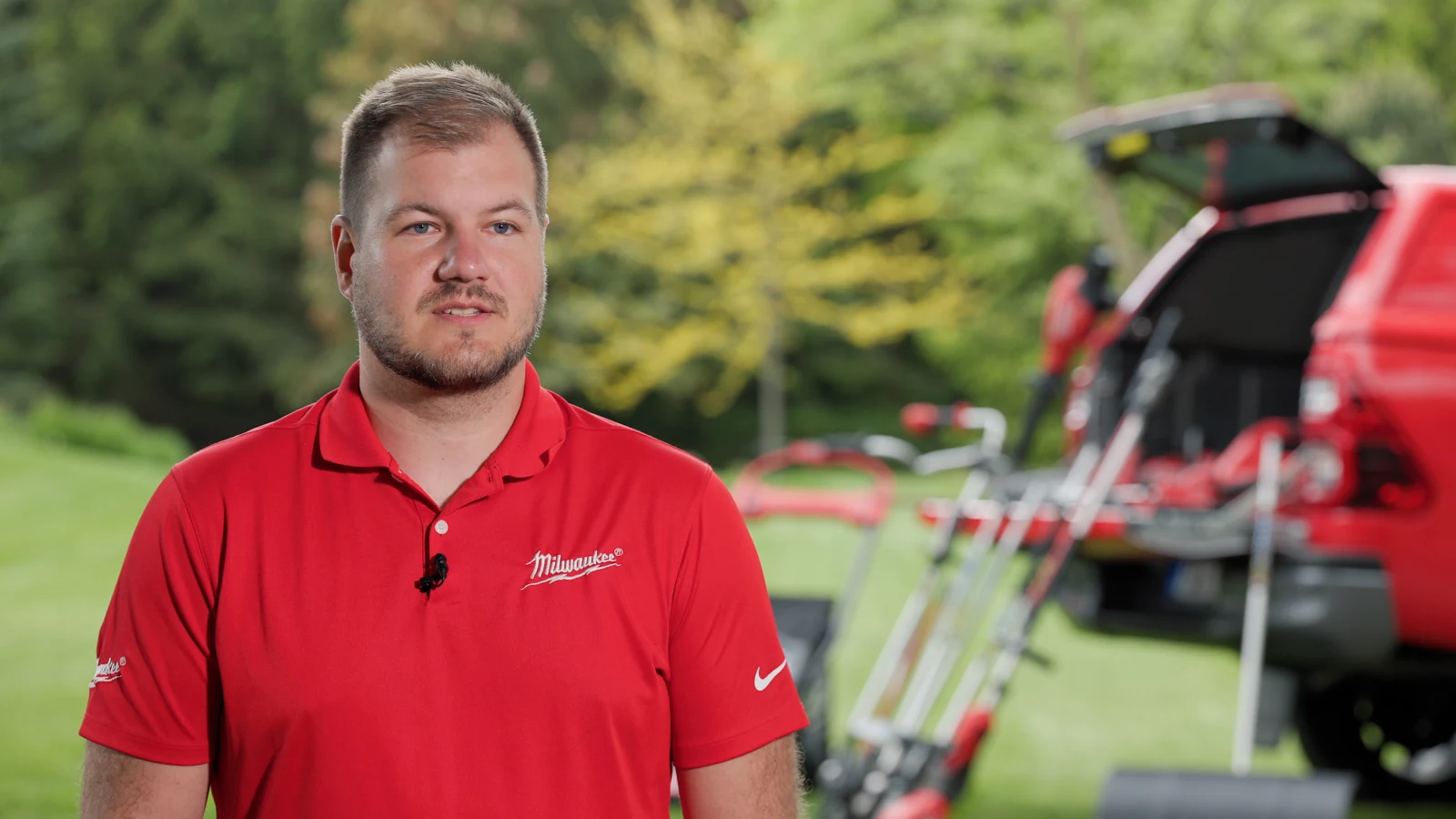

People have stopped trusting advertising. They see hundreds of ads every day and automatically filter most of them out. A recommendation from a real customer feels different. It is specific, it does not feel like advertising — and that is exactly why it works.
A simple test: Which do you trust more? The sentence “our solution saves time and money” on a company website, or a customer saying, “thanks to this solution, we reduced our costs by a third within the first six months”?
The viewer sees a real person, hears their voice, and watches how they respond. And that is something very difficult to stage artificially.


The entire process starts with an introductory meeting or call. We need to understand who the client’s customer is, what problem the company helps solve, and what ultimately convinced them to work together. Based on this, we prepare a pre-production analysis that defines the main message, communication tone, and deliverables that will genuinely work for the client.
Part of the preparation also includes a location scout. We review the places where filming will take place in advance, including lighting conditions, acoustics, and logistics. At the same time, we refine the ideal shooting schedule for each location to minimize disruption to daily operations.
Next comes the storyboard — a document describing, scene by scene, how the video will look, what will be said in the interviews, and which shots, graphics, or infographics will support the story. This allows the client to see the direction of the video before filming even begins. From the storyboard, we then create a detailed shot list and production schedule.
This process applies to projects where we lead the preparation ourselves. Some clients handle part of the preparation internally and come to us with a clear brief already prepared — in that case, we join the project during the production phase. Sometimes, however, videos are created without extensive pre-production when time or budget does not allow for detailed preparation. The result is usually a simpler format that relies more on improvisation and the natural flow of filming. These videos are often shorter and contain less depth of information, but they can still work very effectively when the goal is to quickly communicate the core message.
The foundation of every case study video is interviews and the supporting visual footage. We take both seriously.
We approach interview setups carefully. Lighting is essential for us — we work with multiple light sources, shaping them according to the location and the atmosphere we want to create. We want the image to feel professional while still remaining natural. Interviews are filmed with two cameras simultaneously. This gives the edit more flexibility and makes the final video feel more dynamic.
Speaking naturally on camera is a skill. Some people do it intuitively, while for others it is an uncomfortable experience. That is why we adapt our approach to each individual. Some interviews are conducted as open conversations — the strongest moments are often spontaneous and capture the customer’s experience perfectly. Other times, we work with a prepared script and teleprompter. For some speakers, it is simply the best way to clearly communicate exactly what they want to say on camera.
Supporting footage creates the second layer of the story — showing what is being discussed. We aim for a visual mix that holds attention: stable tripod shots for context, gimbal shots for smooth movement, handheld footage where we want energy and rawness, action cameras for places otherwise difficult to access, and drones to show a larger sense of scale. It is precisely this combination of different shot types that keeps the visuals engaging and maintains the viewer’s attention.


In the editing room, hours of footage become minutes. We look for a balance between emotion, pacing, and information density. A video that is too slow loses the audience, while one that is too fast does not leave enough space for the viewer to absorb the message. A well-constructed case study video works much like a short documentary — it has a beginning, a problem, a development, and a result. The viewer follows a story, not a sales pitch.
Graphics and infographics are often added during the edit to help explain key information or data.
There is no ideal length for a case study video. A homepage requires a different format than a sales presentation or LinkedIn. A thirty-second social media cut can sometimes achieve greater reach than a three-minute video on a website. That is why we discuss deliverable formats before filming even begins, deciding how many versions will be created and where each one will make the most sense.
Technology is changing rapidly. AI-generated visuals are more accessible than ever, advertising content continues to grow, and people’s attention spans are getting shorter. Because of this, the genuine experience of a real person is becoming increasingly valuable.
That is why we believe the importance of case study videos will continue to grow. They are built on trust. And trust will always remain one of the most valuable things in corporate communication.


Made withandin Prague

Collective Production