
Behind the Scenes
How We Prep for a Shoot at Collective Production
ROLLING
Pre-production is where everything takes shape. It’s the stage where we turn ideas into clear plans and make sure that when shoot day comes, we’re fully prepared to execute smoothly.
Most of our video projects are shot in one to three days, often on location at our clients’ businesses. That means our window for capturing great material is short, and preparation is everything. Here’s a look at how we set ourselves, and our clients, up for success before the cameras roll.
Before we dive into the creative and logistical prep, we always start with one key step, understanding your goals and defining the scope of the project. This helps us prepare a clear quote and project outline.
Every video is different. Some are single-day testimonial shoots, others are multi-location productions involving scripted scenes, animation, or drone footage. Once we know what you’re aiming to achieve, we’ll work with you to shape a realistic budget that reflects the scale of the production.
We’re happy to provide ballpark figures early on, and then fine-tune the quote as the concept and schedule come into focus. Transparency is a big part of how we work, and we want you to feel confident and informed from day one.
Every project begins with a conversation. Sometimes we’re handed a full script or a creative treatment from an agency. Other times, we receive just a few bullet points or a short brief from a marketing department, and we build things from there.
When the concept is still in the early stages, we help shape it. That might mean working with one of our go-to copywriters to craft a compelling script, or brainstorming with the client to develop the right messaging and story arc. Not every project needs this. Interview-driven videos or testimonials, for instance, might require less scripting, but we always clarify what the story is, and how best to tell it.
Once we’ve aligned on the concept, we create a script if needed, storyboards, a shot list, and a rough production schedule. This planning is crucial for keeping shoot days focused and efficient.
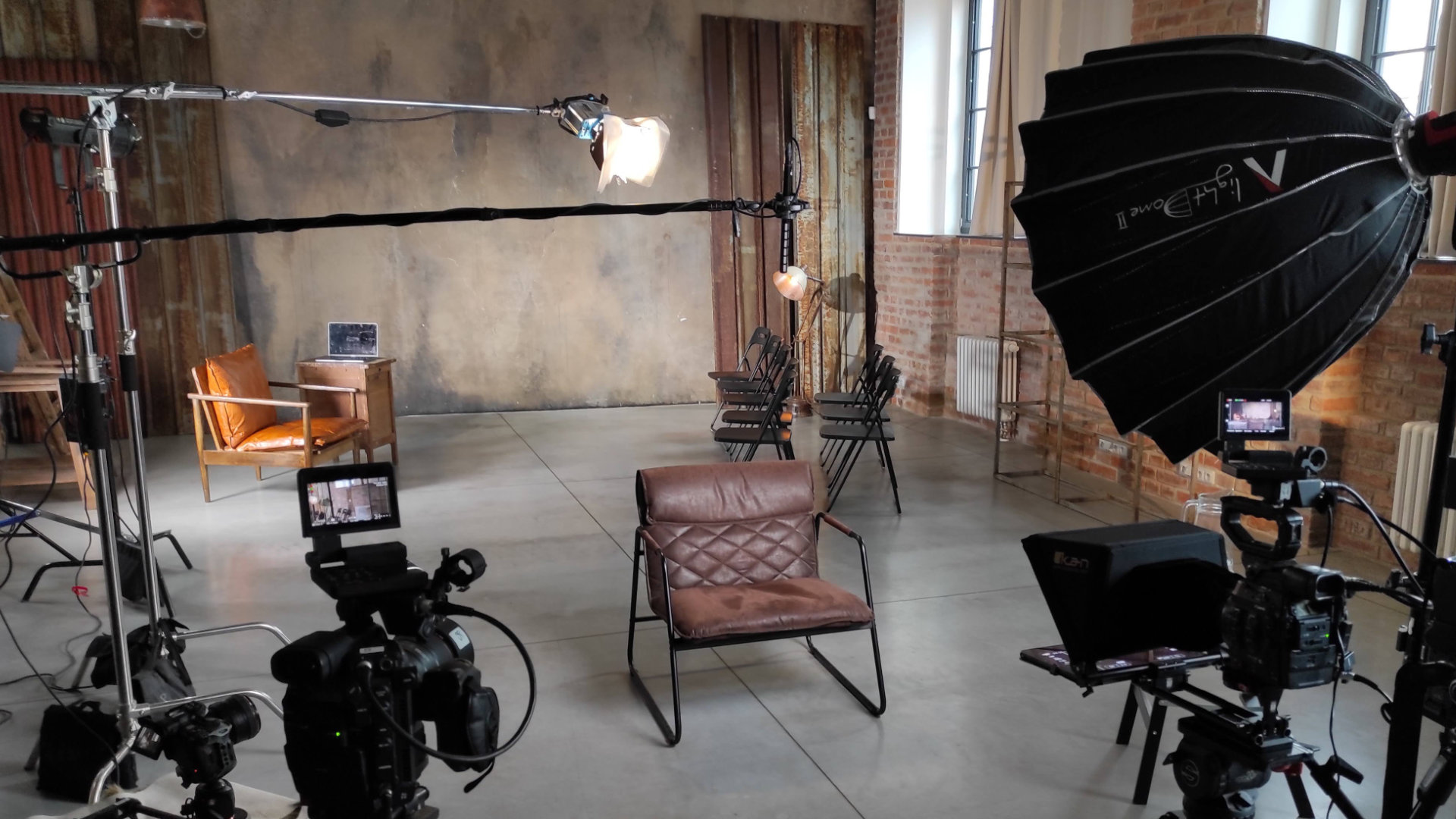
Next up, logistics. Since we film at our clients’ offices, warehouses, factories, or worksites, location scouting is key. We want to understand the space, lighting conditions, potential sound issues, and, importantly, how we can shoot without disrupting daily operations.
Whether your business is a manufacturing plant with strict safety protocols or a bustling open office, we plan our approach to be as low‑impact and respectful as possible. After scouting, we build a detailed shooting schedule tailored to your environment and time constraints.

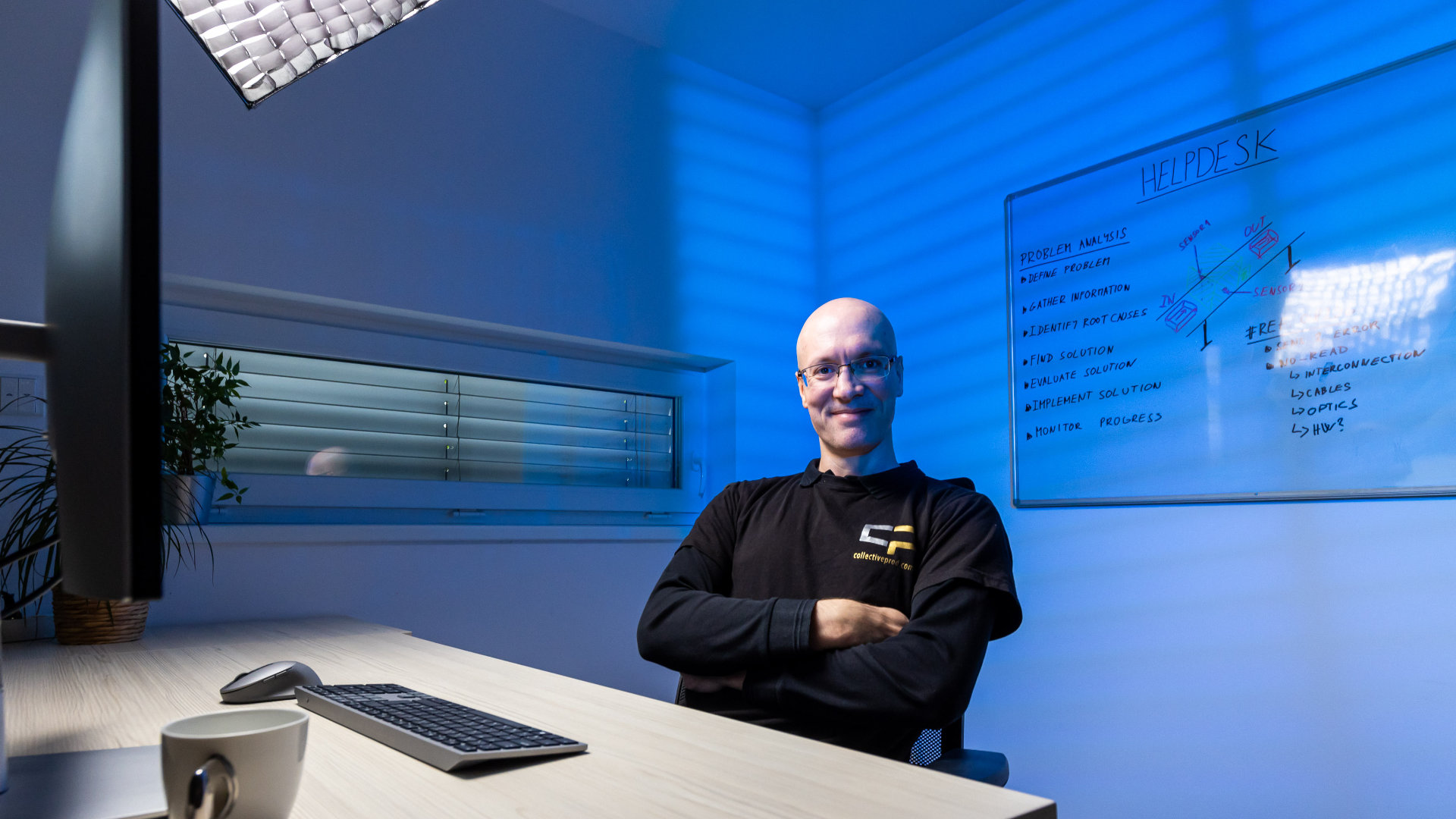
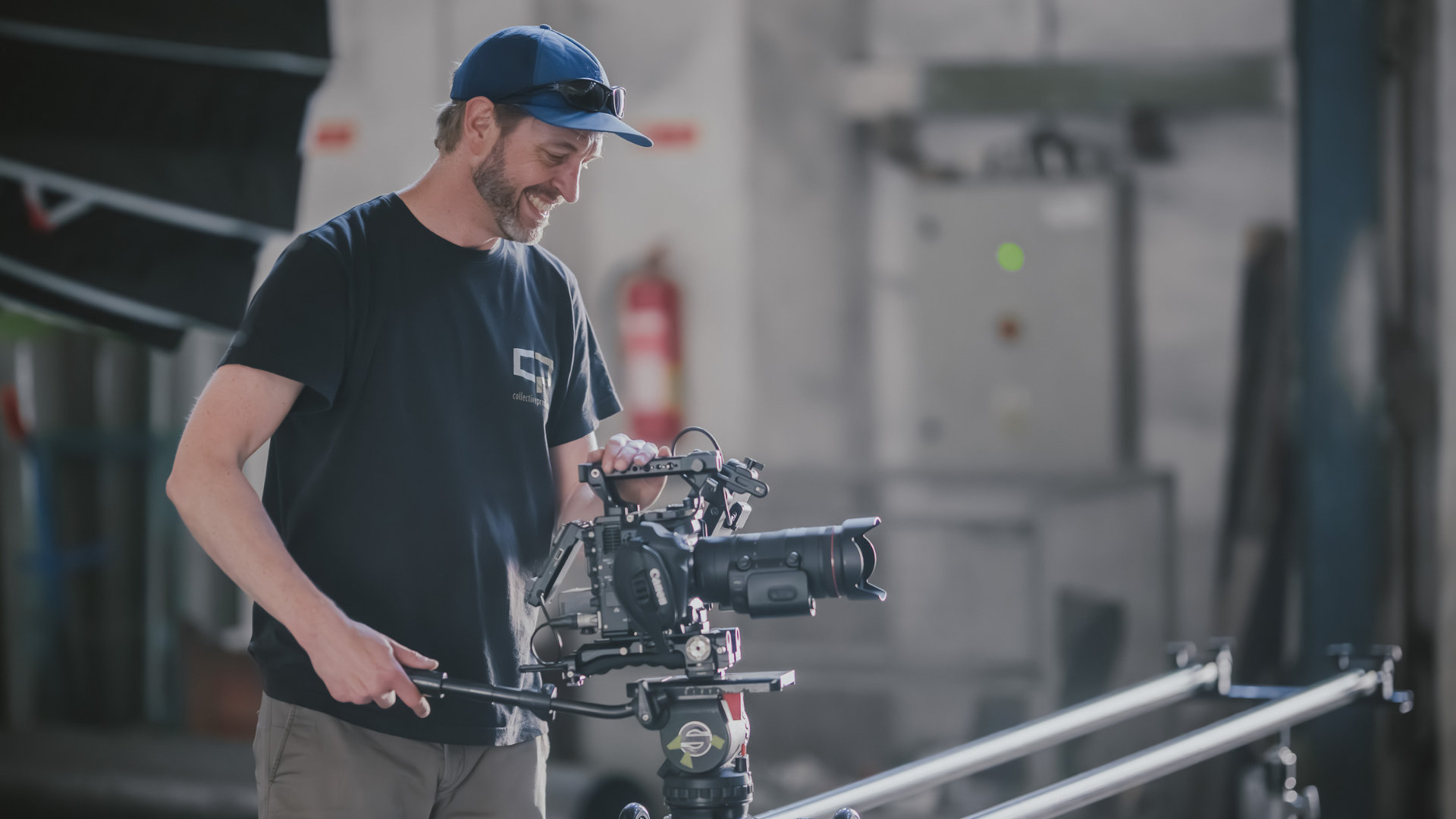
Our crew usually consists of 2 to 4 people, a producer or director, a director of photography, a lighting tech or assistant, and sometimes a drone pilot or sound specialist depending on the scope of the shoot. Each person is briefed ahead of time, and we make sure everyone knows their role and responsibilities.
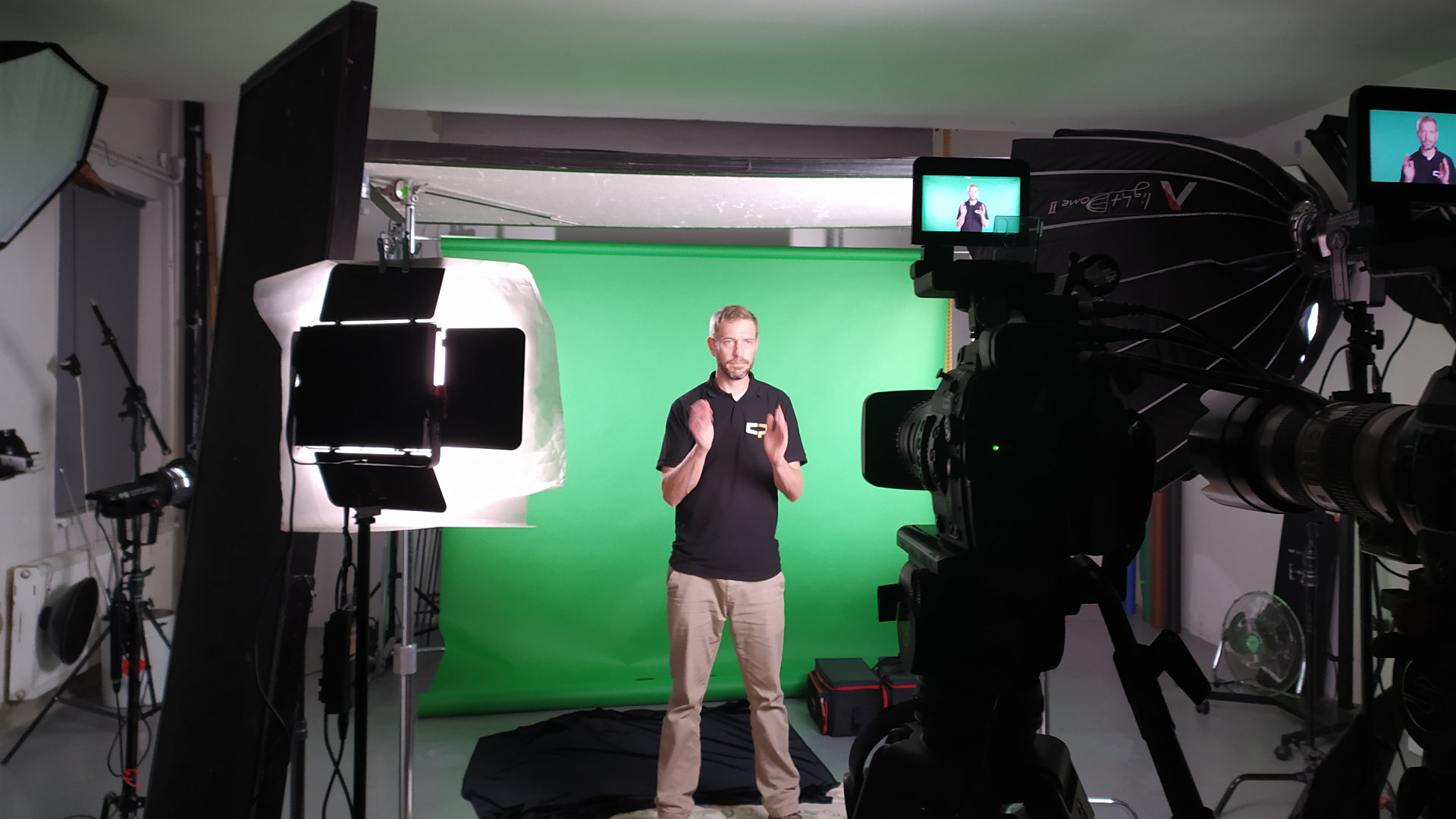
Once the shoot is confirmed, we start prepping gear. We own most of our core equipment, including cameras, lenses, lighting, and audio kits, but for certain projects, we’ll rent specialty gear, like specific lenses or cinema cameras such as Sony or ARRI.
After the location scout, we finalize our equipment list based on the specific needs of the shoot. The day before filming, everything is double‑checked, tested, and repacked to suit the location’s logistics. Cameras are configured for resolution, frame rate, and color profiles. Sensors are cleaned, batteries charged, and audio gear tested.
It’s not the most glamorous part of the process, but this technical prep is what lets us show up on shoot day ready to focus on what matters, telling your story.
Once everything is in place, the script, the schedule, the gear, and the crew, we send out a call sheet the night before the shoot. It includes all the key info, addresses, contact numbers, parking instructions, timing, wardrobe notes if applicable, and anything else that helps everyone arrive informed and ready.
For us, good pre‑production is about respect, respect for your time, your workspace, and your goals. It’s also what allows us to move fast and stay creative on set.
If you’re thinking about a video project and wondering what the process looks like, now you know. Prepping is a big part of what we do, and we actually kind of love it.
Made withandin Prague

Collective Production