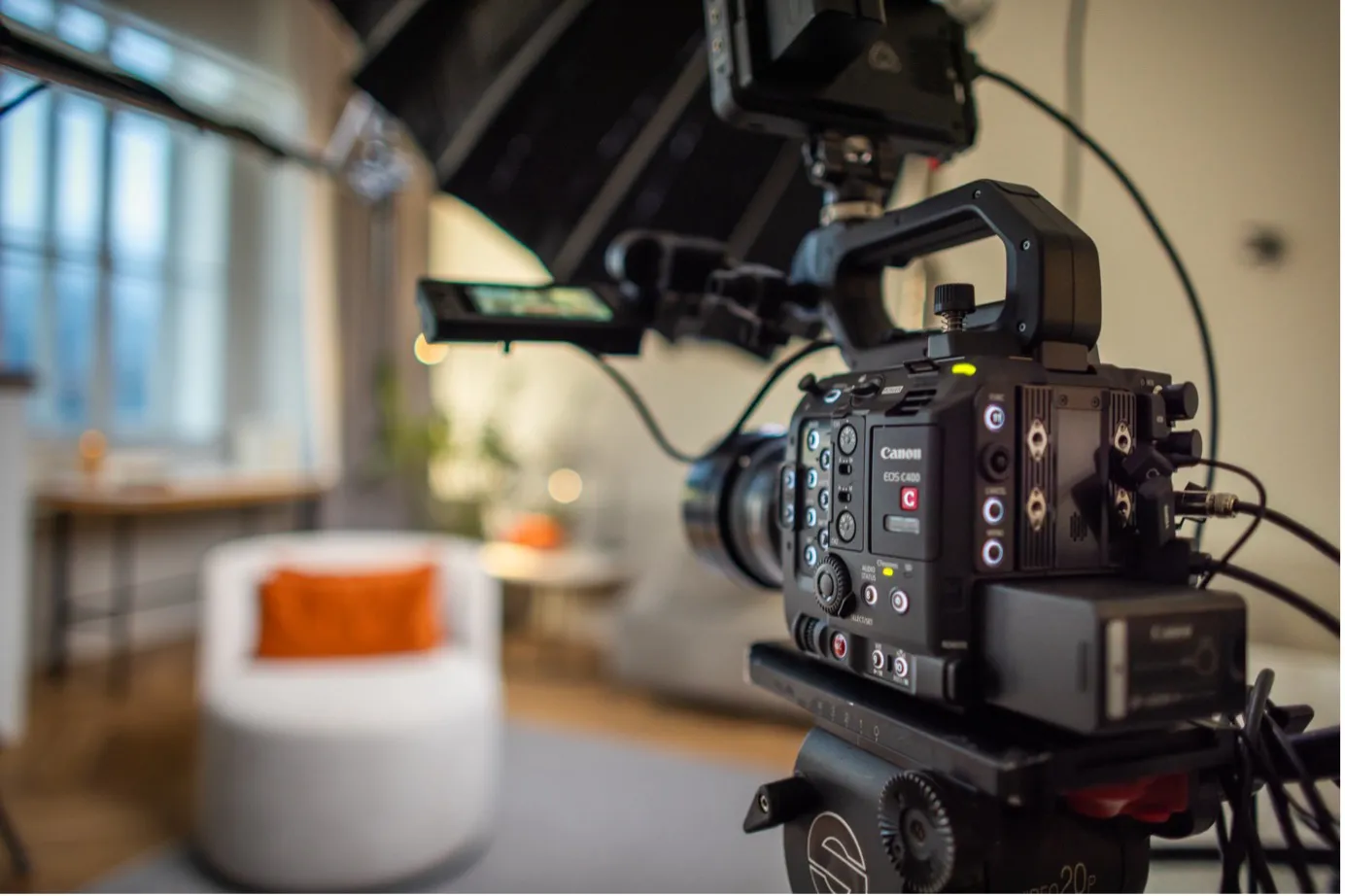
Why We Upgraded to the Canon C400
and Why It Changed the Way We Shoot Corporate and Industrial Films
ROLLING
After more than ten years of working with Canon cinema cameras, upgrading our main production system was not a casual decision.
At Collective Production, we specialize in corporate, industrial, and promotional video production across Central Europe. Our work ranges from large-scale manufacturing films and technical product videos to executive messaging, conference coverage, and B2B brand storytelling.
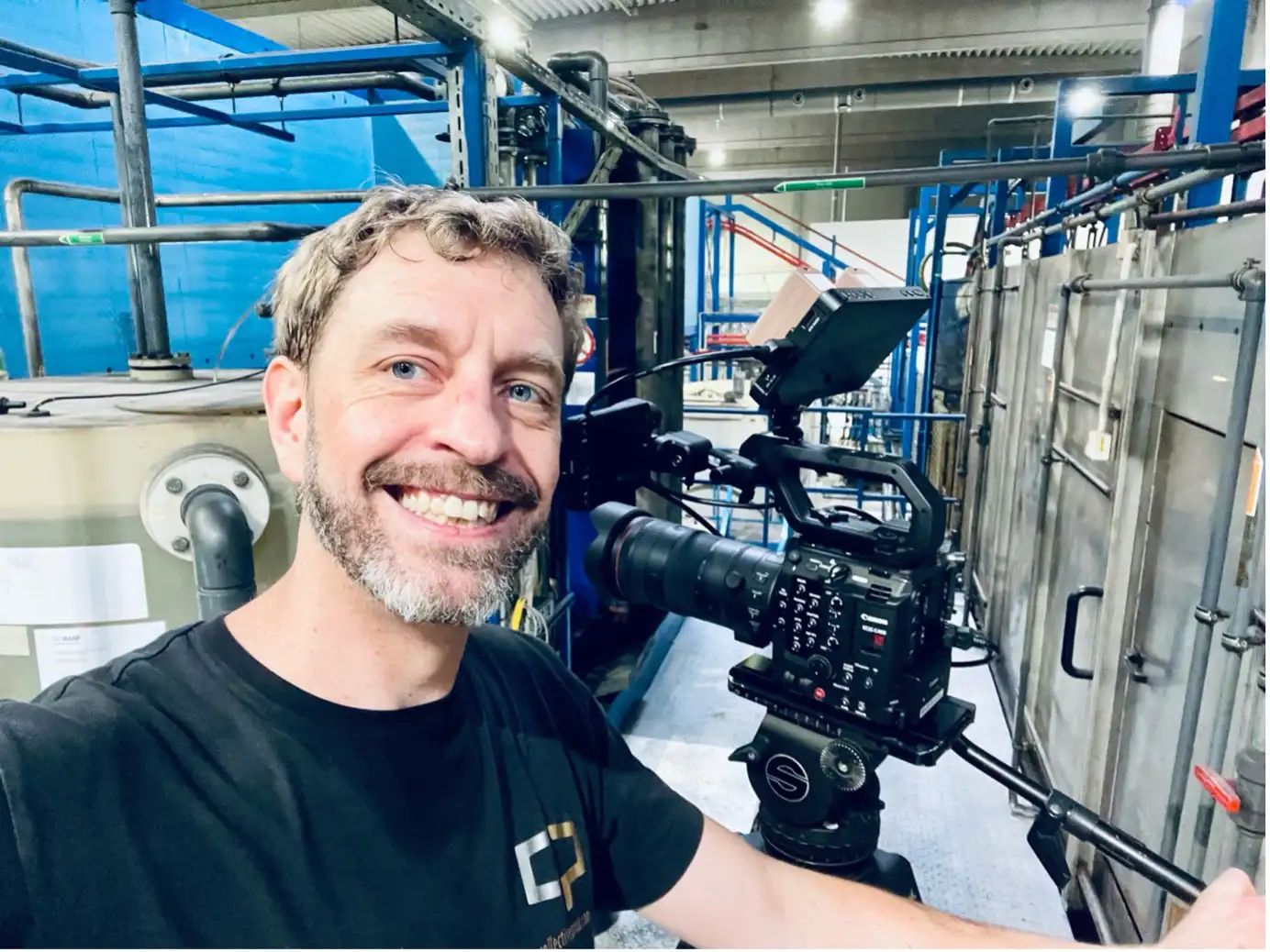
Most of our productions take place in active factories, logistics centers, laboratories, energy facilities, and corporate headquarters. These are real operational environments with mixed lighting, shifting conditions, and tight schedules.
When we chose to move to the Canon C400, it was not about chasing specifications.
It was about strengthening our reliability today while investing in a camera system that supports the increasing demand for high-quality video content across corporate, industrial, and promotional sectors.

The best compliment we can give a camera is simple: it gets out of the way.
Coming from a long line of Canon Cinema bodies, the C400 felt immediately intuitive. The ergonomics are balanced, the controls are logical, and the system responds predictably whether we are handheld inside a manufacturing facility or building out a full executive interview setup.
In corporate and industrial filmmaking, instinct matters. When filming a CEO message, documenting a live production process, or covering a conference keynote, the camera should never slow you down.
The Canon C400 supports that kind of workflow.

The feature that has had one of the biggest impacts on our workflow is the triple native ISO system.
Much of our corporate and industrial work leans toward a documentary style. We move through active production environments capturing real processes as they happen. Lighting shifts quickly, and we rarely have the ability to heavily control the space. Being able to confidently move to a 3200 base ISO while maintaining a clean, detailed image has changed how we shoot.
Instead of pushing lenses wide open, we can comfortably work between f/2.8 and f/5.6, even in darker spaces. That additional depth of field is critical when filming layered industrial scenes, complex machinery, or technicians moving naturally through frame. The camera adapts to the environment rather than forcing us to over-engineer it.
For professional corporate and industrial video production, that flexibility directly improves the final result.
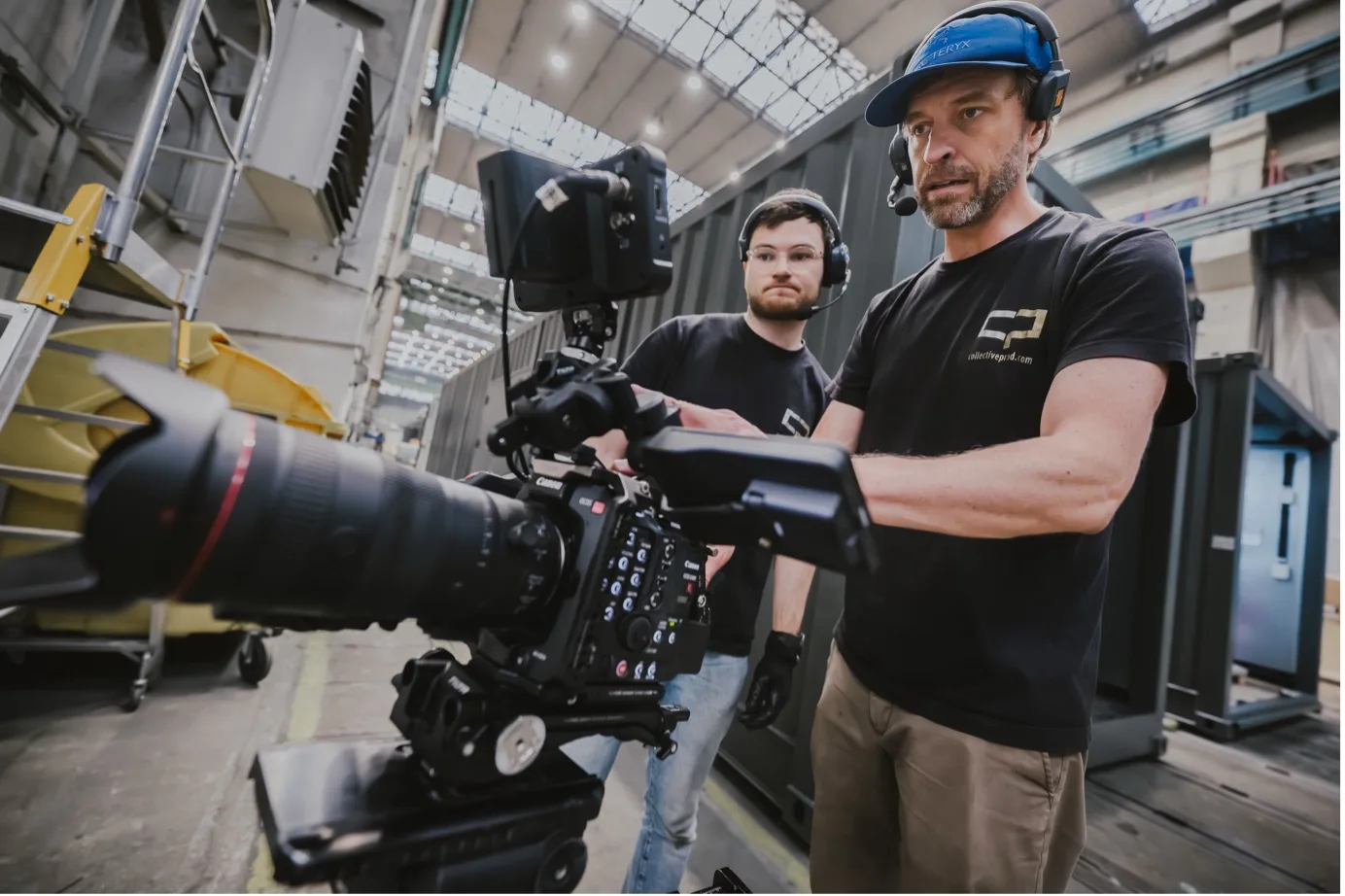
The Canon C400 is built around a 6K full-frame sensor, but for our workflow, the real advantage is the quality of the 4K image it produces.
We deliver primarily in 4K and HD for corporate, industrial, and promotional projects. Downsampling from 6K to 4K results in a clean, detailed image with excellent texture and depth — not overly sharp, but precise and controlled.
Fine details hold together well, and the overall image feels solid and balanced even in complex industrial environments.
Shooting from a 6K sensor also provides subtle reframing flexibility when needed, protecting shots in fast-moving production environments while ensuring the final 4K delivery remains robust.
Equally important is the range of recording options. Not every production requires the same workflow. A fast-turnaround conference video has different technical demands than a flagship manufacturing film or a long-term corporate campaign.
The C400 allows us to select the appropriate resolution, bitrate, and codec for each project. We can prioritize efficiency when speed is critical or choose higher-quality formats when grading flexibility matters. That adaptability keeps post-production streamlined while maintaining image integrity.
Dynamic range is another key factor. Industrial environments often include bright machinery highlights, deep shadow areas, and mixed lighting temperatures. The camera handles these conditions confidently, producing files that retain detail in both highlights and shadows.
For long-term B2B clients who expect visual consistency across multiple projects, that reliability is essential.

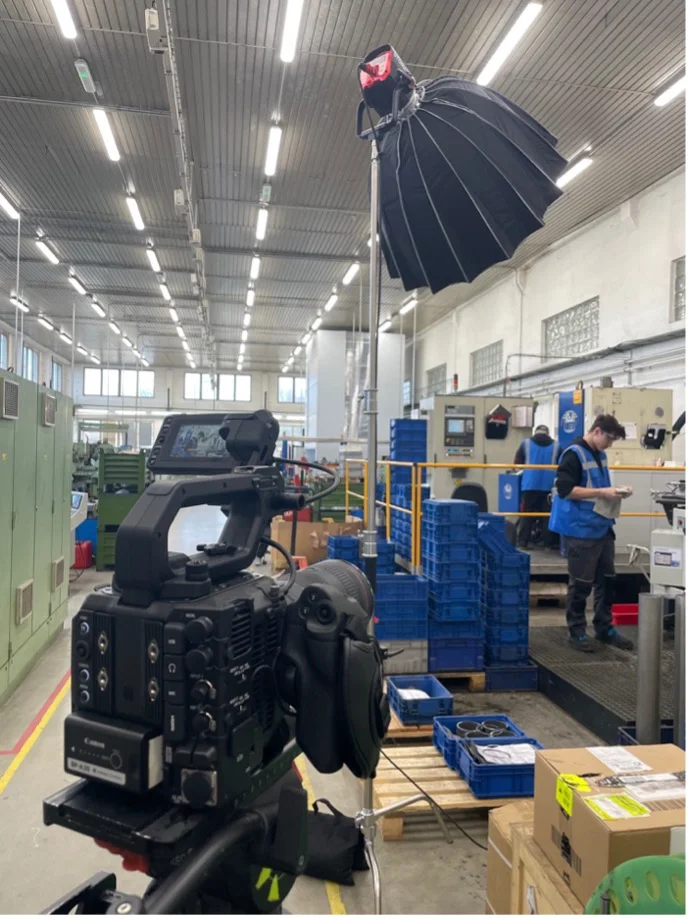
The C400 gives us flexibility in frame rates depending on the production. We regularly shoot in 25, 50, and 100fps, allowing us to move between natural real-time interviews and controlled slow motion for industrial processes, product movement, or technical detail.
This flexibility has proven valuable when producing content for broadcast commercials and larger corporate campaigns where motion cadence and image precision matter.
Another feature that has become extremely useful is Auto Clear Scan. When filming inside modern factories, offices, or conference venues, we are often surrounded by LED panels, control screens, and digital displays. The ability to fine-tune shutter settings to eliminate flicker ensures clean, professional footage without compromising exposure, it’s a small but important advantage in corporate production.
The camera’s modular design also fits how we operate. We can strip it down for gimbal work, keep it compact when navigating tight factory corridors, or build it out fully for extended interview days. That adaptability is critical in operational environments where space and timing constantly shift.
Alongside the camera, we invested in the Canon RF 24–105mm f/2.8. For corporate and promotional video production, this lens has become a true workhorse. The focal range allows us to move fluidly from wide production hall shots to tight mechanical detail without constantly swapping lenses — preserving efficiency on set.
Its parfocal design ensures focus consistency while zooming, which is particularly useful during fast-paced B-roll or documentary-style coverage. The integrated zoom rocker adds another layer of control in dynamic environments.
The constant f/2.8 aperture pairs seamlessly with the camera’s higher native ISO, allowing subject separation when needed while still giving us the option to stop down for greater depth in complex industrial scenes. Across the zoom range, the image remains sharp and dependable — exactly what you want from a lens that stays mounted for most of the day.
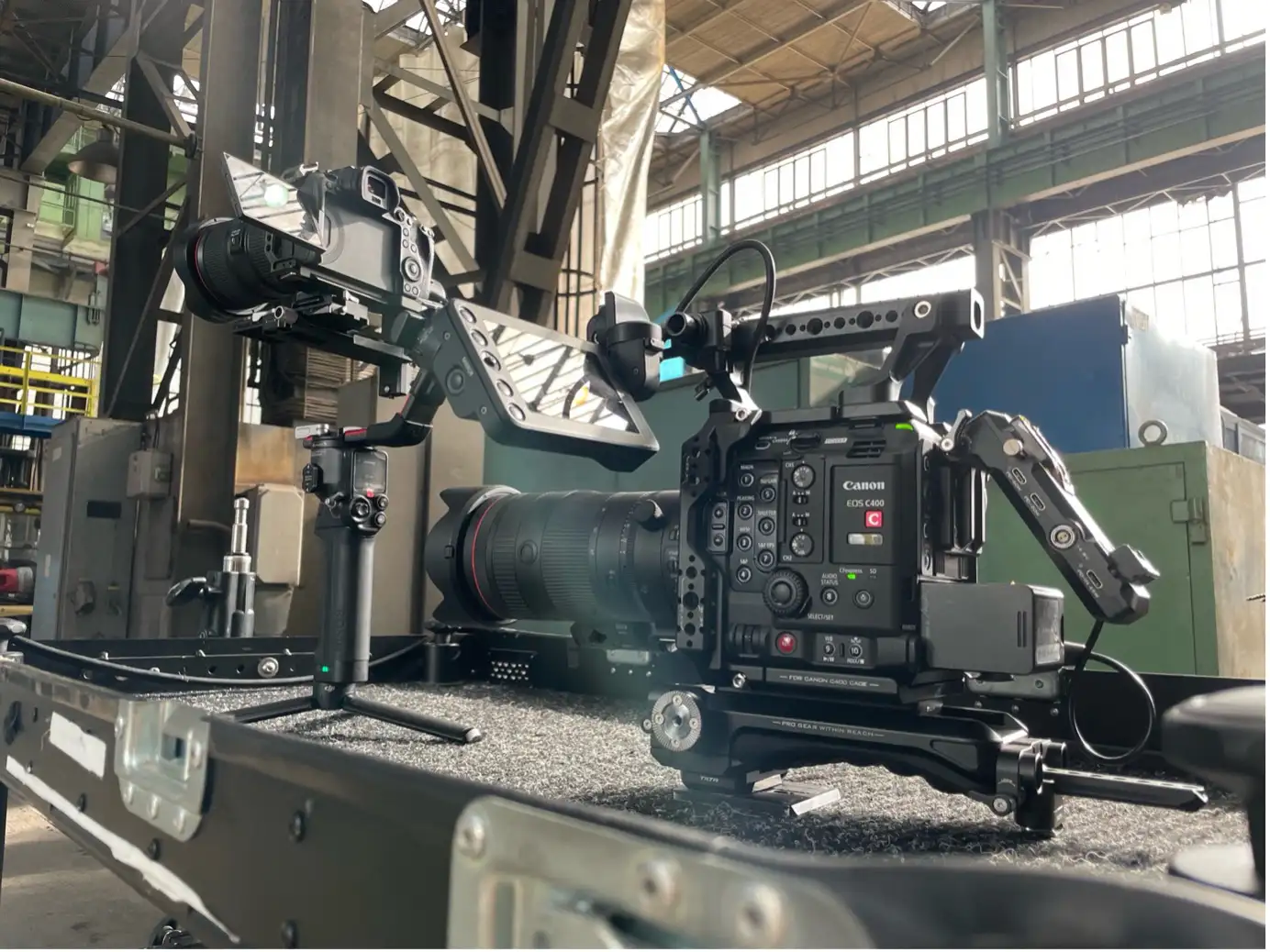
Audio is often overlooked in camera upgrades, but in corporate and industrial production it is critical.
After more than a decade working with Canon cinema cameras, I trust their onboard audio systems. Clean, controlled dual-channel recording is non-negotiable for executive interviews, technical explanations, and on-site commentary.
The C400 continues that standard.
While the ports have moved to mini-XLR rather than full-size XLR, this has not changed our workflow. We still run dual inputs with full manual control and reliable monitoring. The connections are secure, and the smaller connectors actually help keep the build more compact, especially in interview setups or documentary-style coverage.
Canon’s cinema line has always treated audio as part of a professional system, not an afterthought. The C400 remains fully aligned with that approach.

After more than a decade producing corporate, industrial, and promotional films in Central Europe, one principle continues to guide our decisions: invest in tools that strengthen consistency and support long-term quality.
The Canon C400 is not a dramatic reinvention of how we work. It is a refinement. The triple native ISO improves flexibility in documentary-style environments. The oversampled 4K strengthens image detail and quality. The recording options streamline post-production. And the overall design supports controlled, efficient production days in complex locations.
The camera does not define the story. But when the tools are reliable, adaptable, and built for real-world filmmaking, they allow us to focus entirely on delivering high-level corporate and industrial video production at the standard our clients expect.
That is what this upgrade represents.
Made withandin Prague

Collective Production